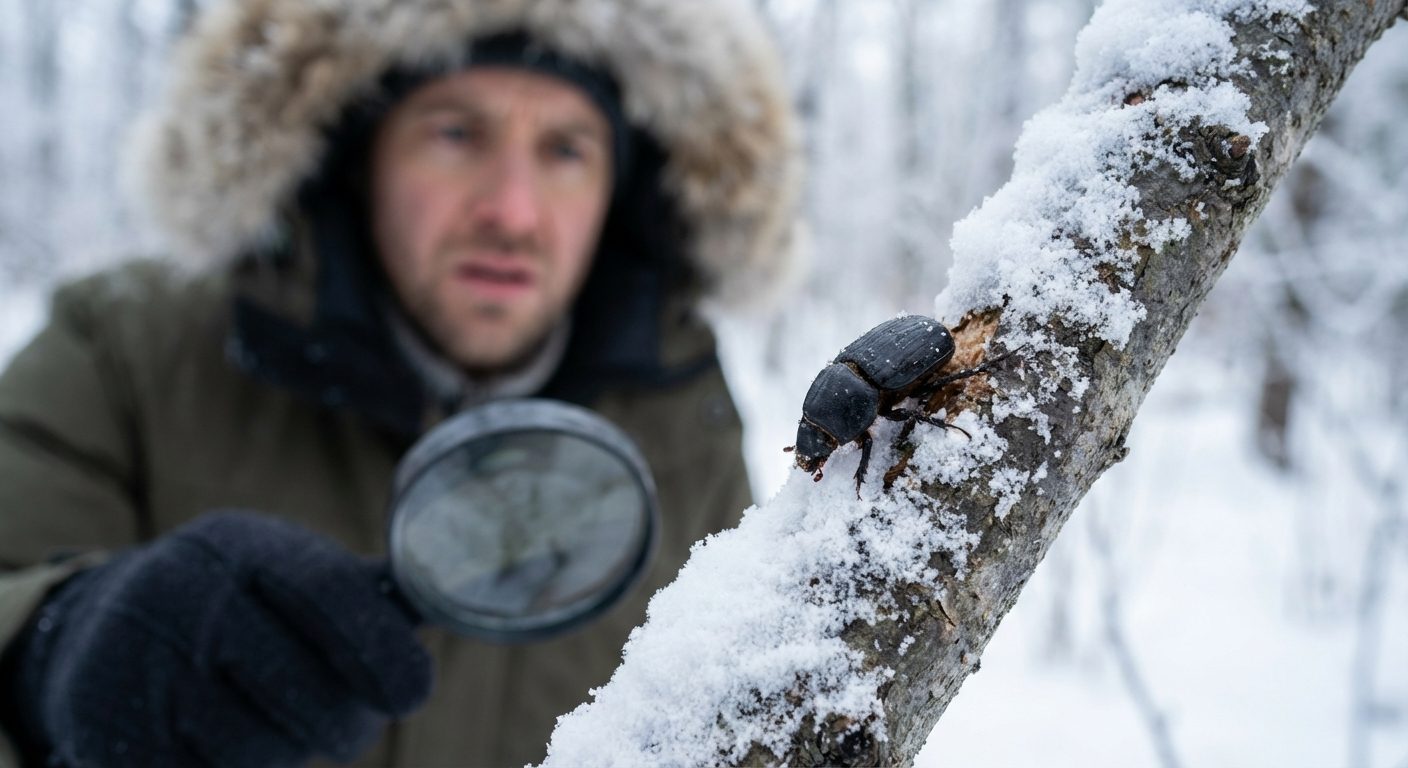
A Silent Invader Thriving in the Frozen North
The winters that once kept Canada's ecosystems in balance are no longer the natural barrier they used to be. Something unexpected is happening beneath the snow—something that shouldn't survive the brutal cold, yet increasingly does. Scientists are watching with growing concern as a resilient pest adapts to temperatures that would have killed it just decades ago.
This isn't a distant threat. It's here, spreading, and changing the landscape of Canadian agriculture and forests in ways we're only beginning to understand.
Which Pest Can Survive the Unsurvivable?
For years, extreme cold was nature's pesticide. Temperatures plummeting to -30°C or lower would eliminate entire populations of invasive insects, protecting Canada's delicate ecosystems. But one particular pest has begun to defy this rule.
The culprit varies depending on the region—it could be the emerald ash borer, the mountain pine beetle, or the winter tick—but they all share one terrifying trait: an unprecedented ability to survive winters that should kill them. Some species have developed antifreeze-like compounds in their bodies. Others have found refuge in protected microclimates. A few have simply adapted their lifecycles to match the changing seasons.
The result? A pest explosion that's reshaping entire forests and threatening agricultural livelihoods across the country.
Why This Winter Was Different
Climate change isn't just making winters warmer—it's making them unpredictable. Fluctuating temperatures, unexpected thaws followed by sudden freezes, and shorter extreme cold periods create a chaotic environment where these pests increasingly find ways to survive.
"We're seeing survival rates that we've never documented before," researchers note. Where a single harsh winter once wiped out 90% of a pest population, today's winters might only eliminate 50%—or even less. The survivors breed, multiply, and establish even larger populations for the next year.
The numbers are staggering:
- Emerald ash borer populations have expanded northward by hundreds of kilometers
- Mountain pine beetle outbreaks are reaching unprecedented scales in western forests
- Winter ticks are devastating moose populations at alarming rates
The Cascading Consequences
This isn't just about a few extra bugs. When one pest thrives unchecked, entire ecosystems unravel.
Ash trees are vanishing from Canadian landscapes. Pine forests that have stood for centuries are dying en masse. Wildlife populations dependent on specific plants face starvation. Farmers watch helplessly as invasive species destroy crops that previous generations never had to protect against.
The economic impact is equally sobering. Forestry operations are losing billions. Agricultural costs are skyrocketing as pest management becomes a constant battle rather than a seasonal concern.
What Makes This Pest Particularly Troubling
Unlike pests that have clear warning signs or predictable patterns, this invader operates in the shadows of our changing climate. It adapts faster than we can respond. Traditional pest control methods—timing treatments around harsh winters—no longer work.
Some regions are experimenting with biological controls, targeted pesticides, and forest management strategies. But there's an uncomfortable truth: we may be playing catch-up to a problem that's already ahead of us.
The question isn't whether we can stop this pest. It's whether we can slow it down enough to prevent catastrophic ecological and economic damage.
A Problem Without Easy Answers
Canada's extreme winters were always considered an advantage—a natural defense against the pests that plague more temperate regions. That advantage is evaporating.
Scientists warn that without significant intervention, we could see irreversible changes to Canadian forests and agriculture within the next decade. Some regions are already experiencing what that future looks like: forests transformed by pest damage, ecosystems in flux, and communities scrambling to adapt.
The pest survives. The question is: what else will have to change for us to survive it?