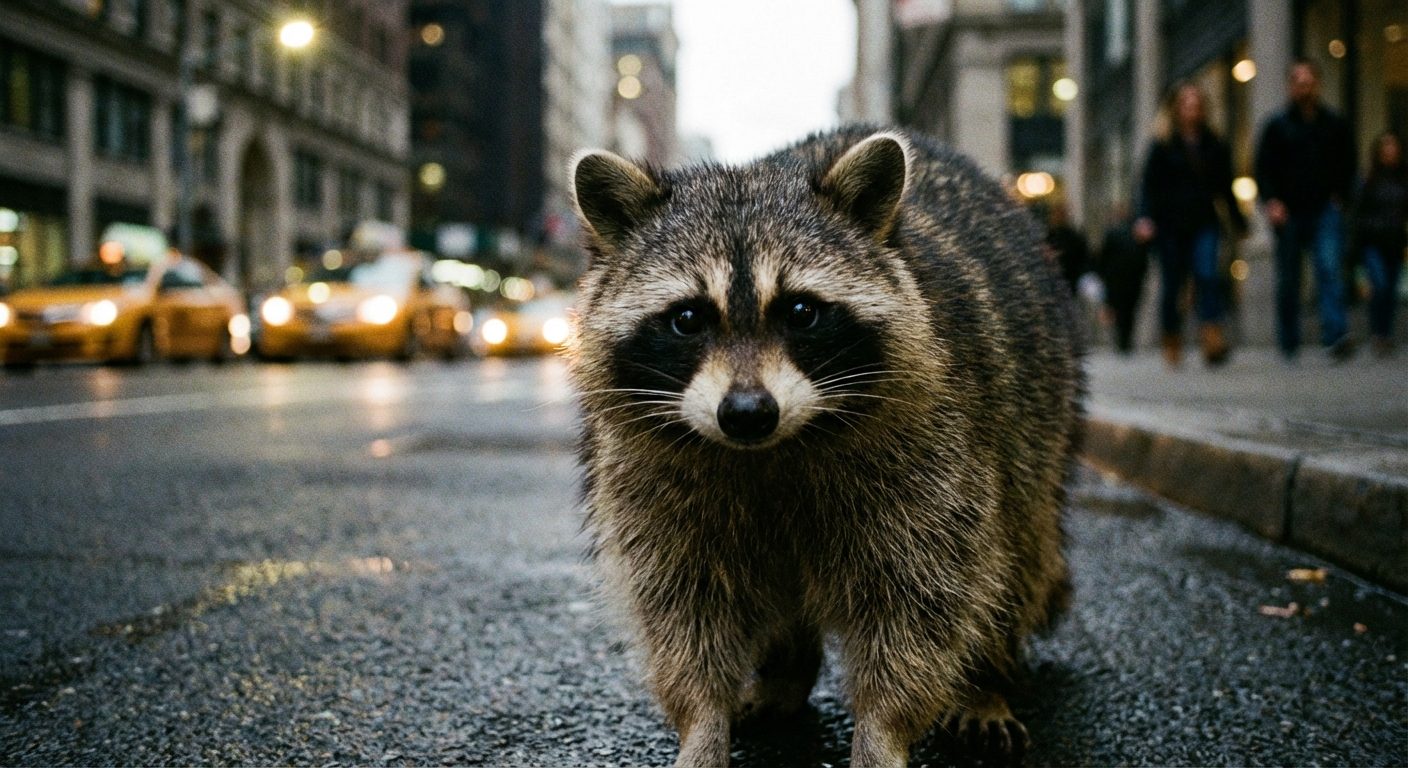
The Unexpected Shift in Urban Wildlife
Something has changed in Canadian cities over the past few years, and pest control experts are only now beginning to understand why. What was once a manageable seasonal problem has evolved into something far more concerning—a pest that's not just surviving in urban environments, but thriving with unprecedented aggression.
The signs are everywhere. Residents from Vancouver to Toronto are reporting encounters that would have been rare just a decade ago. Property damage is escalating. And despite our best efforts, conventional control methods are becoming increasingly ineffective.
But here's what makes this situation particularly unsettling: most people don't even realize it's happening.
A Problem That's Getting Harder to Ignore
Raccoons. Coyotes. Rats. Each of these creatures has demonstrated remarkable adaptability to city life, but one pest in particular has become the subject of urgent discussions among urban wildlife biologists: the aggressive raccoon population.
What started as isolated incidents in suburban Toronto has now spread across major Canadian metropolitan areas. Homeowners are installing reinforced garbage containers. Restaurants are upgrading their waste management systems. And animal control services are working overtime.
The statistics are telling. In Toronto alone, raccoon-related calls to animal control have increased by over 60% in the last five years. In Vancouver, similar trends are emerging. But the real concern isn't just the numbers—it's the behavior.
Why They're Becoming More Aggressive
Unlike their rural counterparts, urban raccoons have developed a distinctly different temperament. They're bolder. Less fearful of humans. More willing to confront rather than retreat.
The reasons are multifaceted:
Abundant Food Sources Modern cities offer an all-you-can-eat buffet. Unsecured garbage, restaurant waste, pet food left outdoors—raccoons have learned that urban environments provide consistent, reliable nutrition. This abundance has allowed populations to grow exponentially.
Loss of Natural Predators In cities, the natural checks on raccoon populations simply don't exist. Coyotes are rare. Larger predators are absent. This means populations can expand without restraint.
Generational Boldness Young raccoons born and raised in cities have never experienced the fear their rural ancestors knew. They've never learned to avoid humans as a survival strategy. Each generation becomes incrementally bolder than the last.
Climate Change and Mild Winters Canadian winters are becoming less severe. Raccoons that would have struggled to survive harsh conditions now make it through with relative ease, extending their active season and allowing for more successful breeding cycles.
The Escalating Consequences
What began as a nuisance has evolved into a genuine public health concern. Raccoons are known vectors for rabies, roundworm, and other zoonotic diseases. Attacks on pets have increased dramatically. Some residents have reported aggressive encounters that required medical attention.
But perhaps most troubling is the psychological impact. People are becoming afraid in their own homes. Parents are hesitant to let children play in backyards. The sense of security that urban living once provided is eroding.
What Makes This Moment Critical
Here's what few people realize: we may be approaching a tipping point. Once a wildlife population reaches a certain density and behavioral threshold, reversing the trend becomes exponentially more difficult. We're not there yet—but we're getting closer.
Some municipalities are implementing new bylaws. Others are investing in wildlife management programs. But these efforts are fragmented and often reactive rather than proactive.
The question isn't whether this problem will resolve itself. It won't. The question is whether Canadian cities will act decisively before the situation becomes truly unmanageable.
What You Can Do Right Now
If you live in a Canadian city, the time to act is now:
- Secure your garbage with wildlife-proof containers or store bins in a garage until collection day
- Remove food sources like pet food, fallen fruit, and compost from accessible areas
- Install chimney caps and vent covers to prevent entry into attics and crawl spaces
- Report aggressive encounters to local animal control immediately
- Educate neighbors about the importance of collective action
Individual efforts matter, but systemic change requires municipal commitment.
The Uncertain Future
As urban raccoon populations continue to evolve and adapt, one thing remains clear: the aggressive raccoons of today are not the same creatures our parents dealt with. They're smarter, bolder, and increasingly comfortable in human spaces.
Whether Canadian cities rise to meet this challenge—or whether we'll find ourselves living alongside an ever-more-aggressive urban wildlife population—remains to be seen. But the window for preventative action is narrowing.
The question is: will we act before it closes entirely?