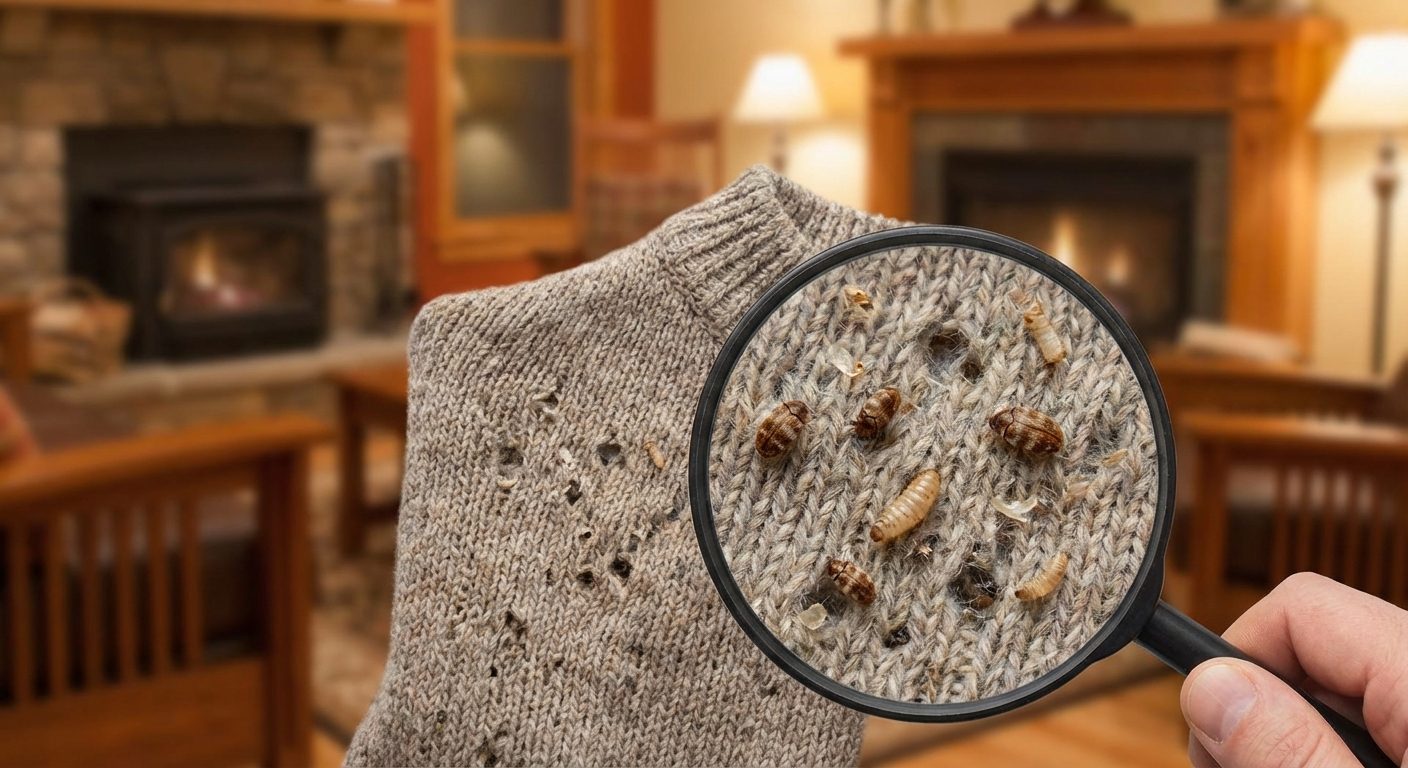
The Silent Winter Invader Nobody's Talking About
Your home feels cozy and warm as temperatures drop outside. But you're not alone in enjoying that comfort. Right now, while you're settling in for the season, something is thriving in your walls, your closets, and your furniture—and chances are, you have no idea it's there.
Most people think pests disappear when winter arrives. They don't. In fact, winter is when certain household invaders become most active, most destructive, and most difficult to detect. The worst part? By the time you realize what's happening, the damage is already done.
Why Winter Is Peak Season for This Pest
Indoor heating creates the perfect storm. While outdoor temperatures plummet, your home maintains a stable 68-72°F—essentially a five-star resort for one particular pest that rarely makes headlines: the carpet beetle.
Unlike seasonal insects that die off in cold weather, carpet beetles don't just survive indoors during winter. They flourish. They reproduce rapidly. They feed voraciously on everything from wool carpets and silk clothing to stored grains and pet food. And they do it all while remaining virtually invisible to the untrained eye.
Your neighbors probably have them. Your coworkers definitely do. Yet nobody talks about it.
The Problem Nobody Sees Coming
Here's what makes this particularly unsettling: carpet beetles don't announce their presence like cockroaches or ants. There's no trail to follow. No droppings in plain sight. Just small, round beetles—often mistaken for ladybugs—casually destroying irreplaceable items in your home.
The real damage comes from their larvae. These tiny, bristly creatures feed continuously, leaving behind ruined sweaters, damaged upholstery, and compromised insulation. A single infestation can spread through an entire home within weeks.
And winter is when infestations explode.
Heating systems create warm microclimates in attics, basements, and wall cavities. These become breeding grounds. By spring, what started as a few beetles becomes a full-blown problem that requires professional intervention.
What You're Actually Dealing With
Carpet beetles come in several varieties:
- Black carpet beetles – Dark, often confused with bed bugs
- Varied carpet beetles – Colorful, patterned shells (the most common type)
- Furniture carpet beetles – Pale and small, easily overlooked
They don't bite. They don't carry disease. But they cost homeowners thousands annually in property damage, replacement items, and professional pest control services.
The terrifying part? You might already have them. Most people discover an infestation only after noticing damage to clothing or finding adult beetles in the spring.
The Warning Signs Most People Miss
- Small holes in wool clothing or blankets
- Shed skins or tiny beetles in closets and storage areas
- Damage to stored items (especially natural fibers)
- Larvae that look like tiny, fuzzy caterpillars
- A musty smell in affected areas
If you're seeing any of these, the infestation has likely been developing for weeks—possibly months.
What You Can Do Right Now
Prevention is everything. Winter is the critical window.
- Inspect storage areas – Check closets, attics, and basements for signs of beetles or larvae
- Vacuum thoroughly – Pay special attention to carpets, upholstery, and under furniture where lint accumulates
- Store seasonal items properly – Use airtight containers for wool clothing and blankets
- Reduce humidity – Carpet beetles thrive in moist environments; use a dehumidifier
- Seal entry points – Caulk cracks and gaps where beetles might enter
- Professional inspection – If you suspect an infestation, don't wait. Call a pest control specialist
The difference between catching this early and discovering it in spring can mean the difference between a $200 treatment and a $2,000+ restoration project.
Why This Matters Now
Winter infestations are harder to treat because beetles hide deeper in your home's structure. They're more active, reproducing faster, and spreading farther. By the time you notice visible damage, they've already colonized multiple areas.
This isn't about fear—it's about awareness. Thousands of homes are dealing with this right now, and most owners don't even realize it.
The question isn't whether carpet beetles are in your home. The question is: Are you going to check before it's too late?