The Hidden Threat Lurking in Your Daily Routine
You probably do it every single day without thinking twice. It's such a mundane habit that you've never connected it to the creepy-crawlies suddenly appearing in your kitchen cabinets or the mysterious bite marks on your skin. But what if I told you that this innocent, everyday action could be quietly inviting unwanted guests into your home right now?
The truth is unsettling: most people have no idea they're creating the perfect environment for pests.
What Habit Are We Actually Talking About?
Before we reveal the culprit, let's understand why this matters. Pest infestations aren't random occurrences. They follow patterns. They respond to environmental cues. And most importantly, they're attracted to specific conditions that you might be inadvertently creating.
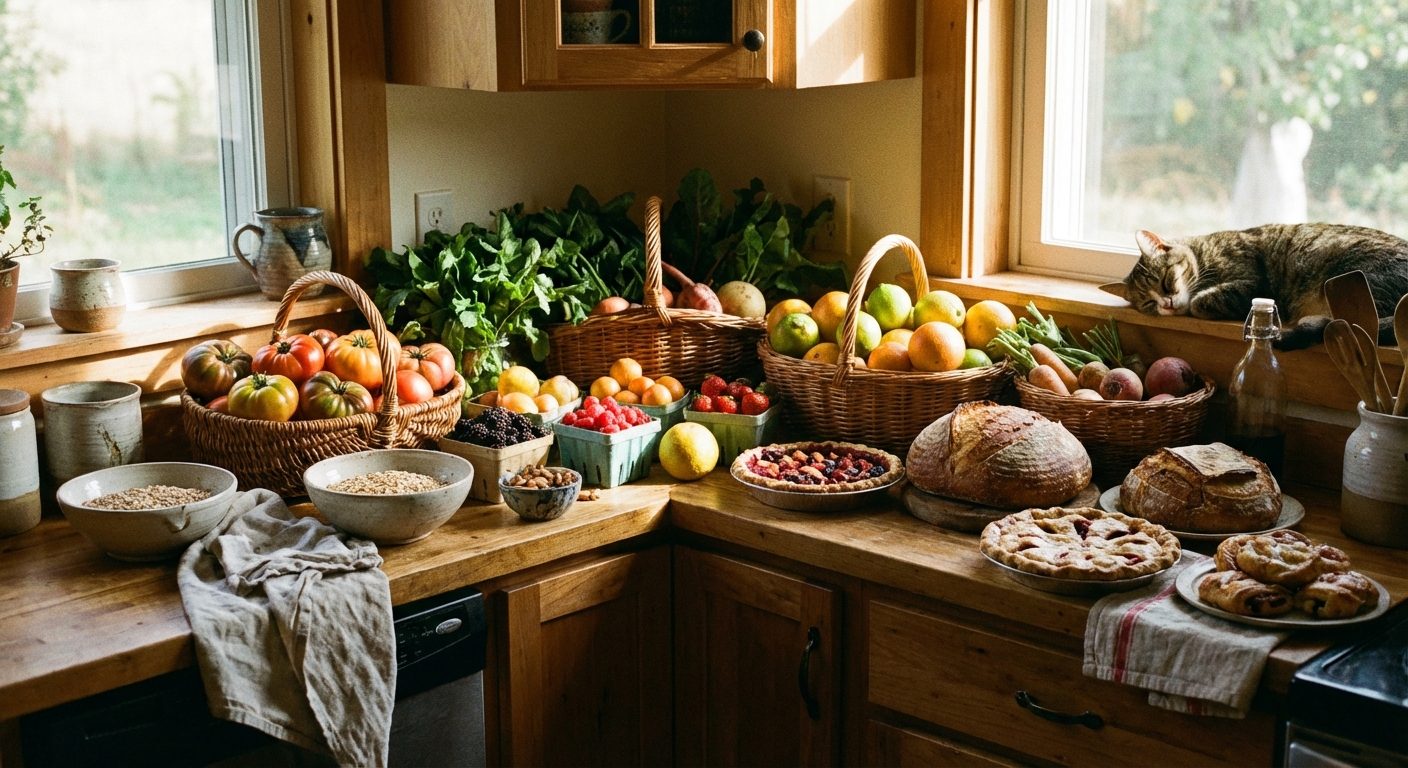
The habit in question? Leaving food out on countertops or in open containers.
It sounds simple, almost too obvious. But here's what most homeowners don't realize: even tiny crumbs, a few drops of juice, or an uncovered bowl of fruit can send out a dinner invitation to cockroaches, ants, rodents, and countless other pests. These creatures have an extraordinary sense of smell—some can detect food from over a hundred feet away.
Why This Habit Is More Dangerous Than You Think
The problem escalates quickly. When pests discover a food source in your home, they don't come alone. They leave chemical trails that signal other members of their colony: "Jackpot! Food here!" Within days, you could have dozens. Within weeks, hundreds.
The scariest part? By the time you notice the infestation, it's already well-established. Pests reproduce rapidly. A single pair of cockroaches can produce hundreds of offspring in just a few months.
The Domino Effect Nobody Expects
Once pests establish themselves, the consequences multiply:
- Health risks increase dramatically – Cockroaches carry pathogens linked to asthma, allergies, and food poisoning
- Property damage accelerates – Rodents chew through electrical wiring (fire hazard) and structural materials
- Psychological stress mounts – The anxiety of living with an infestation affects sleep and mental health
- Financial burden grows – Professional pest control becomes expensive, and prevention costs multiply
And here's the uncomfortable truth: the longer you wait, the more difficult and costly the problem becomes.
Breaking the Cycle: What You Can Do Right Now
The good news? This habit is entirely within your control. Small changes yield dramatic results:
- Store all food in sealed containers – Glass or airtight plastic works best
- Clean countertops immediately after meals – Don't leave crumbs or residue
- Take out garbage regularly – Especially food waste
- Fix water leaks promptly – Pests need water as much as food
- Declutter storage areas – Pests hide in dark, undisturbed spaces
The Habit You Should Start Instead
Replace the old habit with a new one: the 5-minute kitchen reset. After every meal, spend just five minutes wiping surfaces, putting food away, and checking for spills. It's a tiny investment that creates an environment where pests simply cannot thrive.
Most people don't realize they have this power. They assume infestations are inevitable, like weather. But they're not. Your daily choices directly determine whether your home becomes a pest haven or a place where pests cannot survive.
The question isn't whether you can prevent pests. The question is: will you change your habits before they arrive, or wait until you're dealing with an infestation?